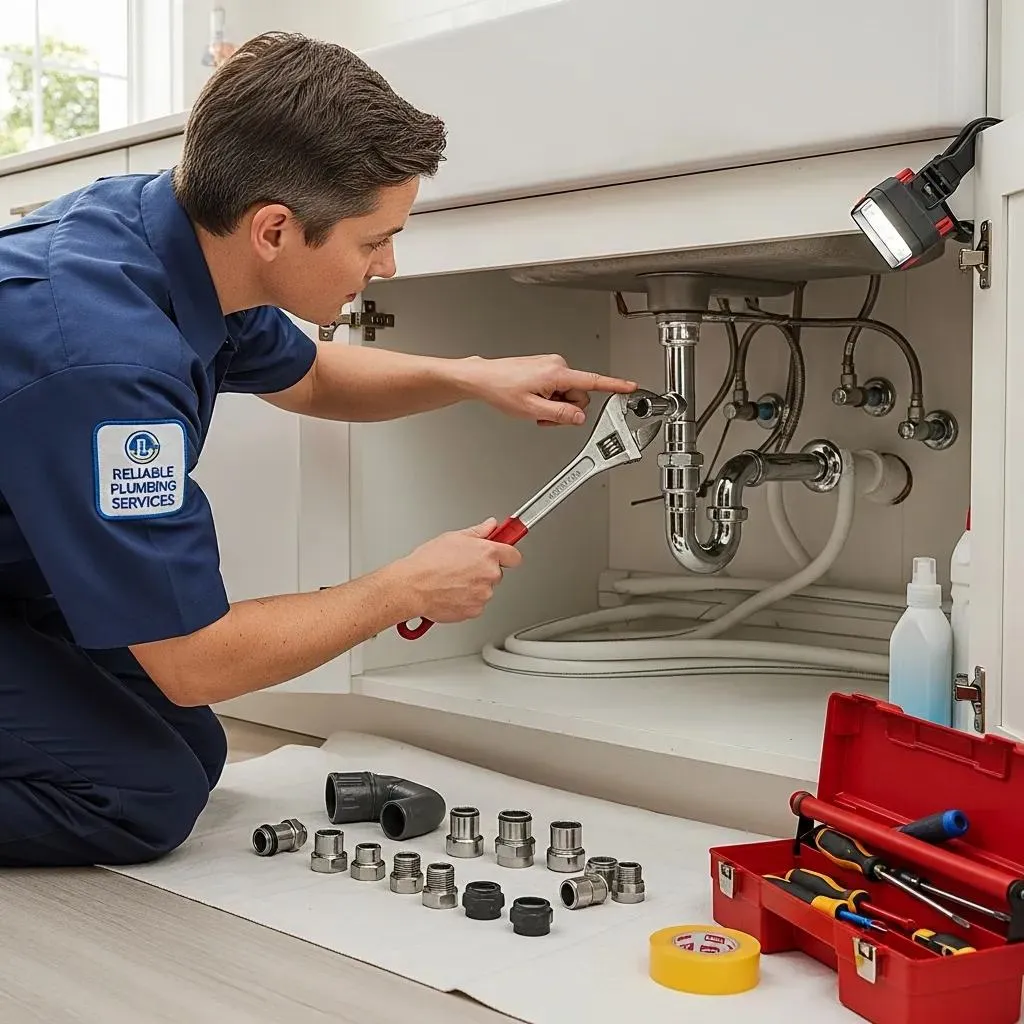
Master Your Home Plumbing Care with These Maintenance Tips
Essential Plumbing Maintenance: A Practical Guide for Homes and Businesses

Plumbing maintenance means regularly checking and caring for a property’s water, drainage and gas systems to avoid failures, save water and prevent costly emergency repairs. Good preventative plumbing keeps fixtures working, cuts unexpected downtime and helps properties meet local compliance — especially for households and businesses across Melbourne’s eastern and south‑eastern suburbs. This guide covers practical maintenance tasks, inspection checklists, drain prevention and cleaning, water‑heater care, leak detection, winter pipe protection and commercial schedules for compliance. Read on for clear monthly, quarterly and annual actions, simple DIY steps and guidance on when to call a professional. Follow the sections as a straightforward maintenance path to keep your plumbing reliable and efficient.
What should be on a home plumbing maintenance checklist?
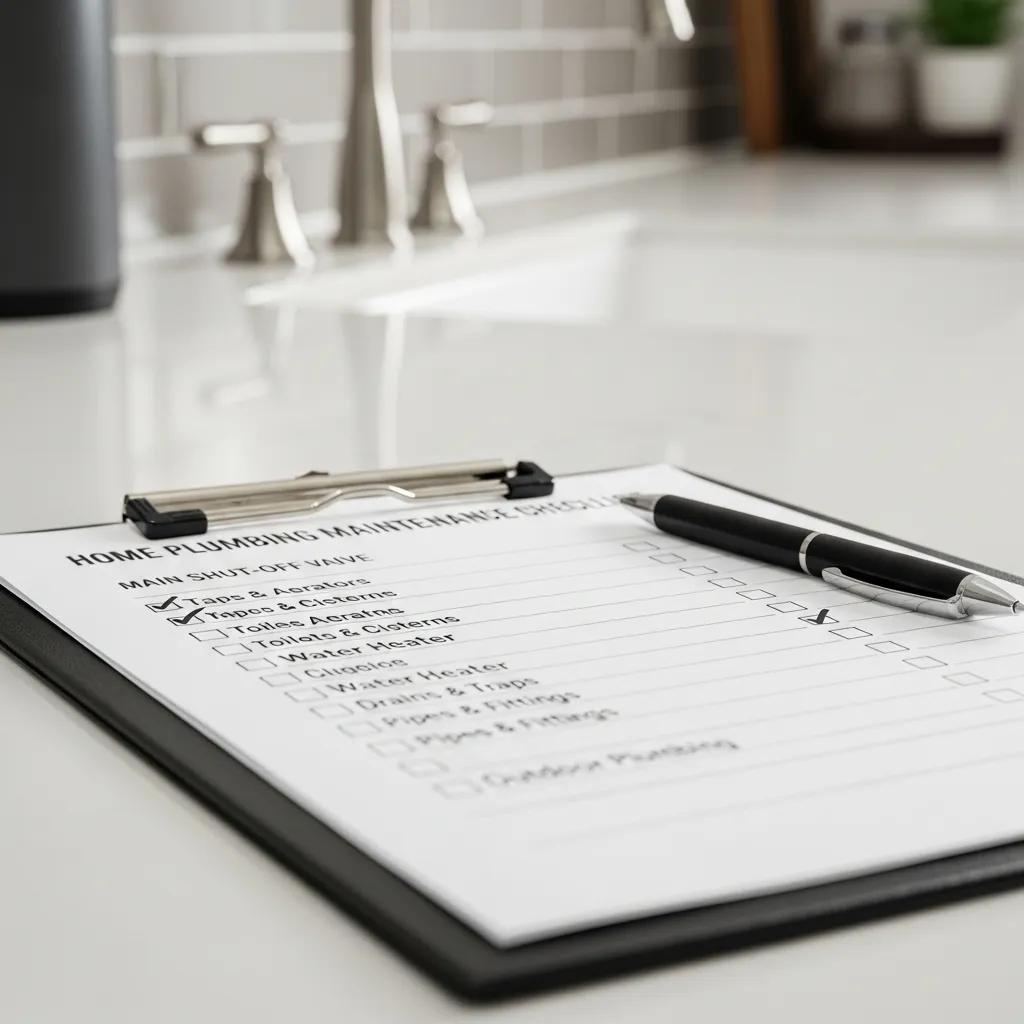
A home plumbing maintenance checklist lists the systems and parts to inspect, why they matter and how often to check them to avoid emergencies and waste. Focus on the main shut‑off valve, taps and aerators, toilet cisterns, visible pipework, drains and the water heater — these are where leaks and faults commonly start. A simple routine of monthly visual checks, quarterly cleaning tasks and an annual professional inspection balances DIY care with expert oversight. Keeping clear records of inspections and meter readings helps spot slow changes early and provides useful information if you need a tradesperson to diagnose a persistent problem.
Starter checklist with suggested frequencies:
- Monthly: Visual checks and drains
- Quarterly: Aerator cleaning and appliance inspections
- Annual: Professional inspection and water‑heater service
- Main shut‑off valve: Turn and test it quarterly to make sure it still works freely.
- Taps & aerators: Clean monthly to keep flow steady and cut mineral build‑up.
- Toilets & cisterns: Check monthly for hidden leaks using a dye test or meter check.
- Drains & strainers: Empty and inspect monthly to stop grease and hair from building up.
Following these simple steps builds a reliable maintenance rhythm, reduces emergency call‑outs and extends the life of fixtures. Next we’ll look at how inspections stop small issues becoming major failures.
How do regular inspections stop plumbing emergencies?
Regular checks catch early corrosion, slow leaks, worn seals and blockages before they turn into burst pipes or overflows. Look for visual clues — greenish corrosion on fittings, damp patches on walls or ceilings, mineral deposits around joints and unusual sounds that often come before a failure. Finding these signs early lets you make targeted repairs, like replacing a short pipe section or reseating a valve, rather than dealing with large‑scale emergency work. Recording what you find and taking prompt corrective action reduces cumulative damage and keeps repair costs down.
Which preventative plumbing habits help most?
A few simple habits prevent common plumbing faults and keep systems running smoothly. Don’t pour fats, oils or grease down kitchen sinks, use strainers to catch hair in showers and sinks, and run water through rarely used fixtures now and then to keep seals and traps primed. Monthly tasks include soaking aerators in vinegar to clear mineral deposits, doing a dye test on toilets for silent leaks and checking under sinks for drips. If slow drains or a constantly running toilet don’t clear with DIY fixes, book a professional inspection — a plumber can check for hidden deterioration or scale that needs specialist attention.
| Component | Recommended frequency | Recommended action |
|---|---|---|
| Shut‑off valve | Quarterly | Operate and lubricate; verify full shutoff |
| Taps & aerators | Monthly | Remove and soak aerators; clear debris |
| Toilet cisterns | Monthly | Dye‑test for leaks; check flush mechanism |
| Visible pipes | Quarterly | Inspect for corrosion, stains and drips |
| Drains & strainers | Monthly | Clear strainers; flush with hot water |
This table summarises core maintenance items, the cadence to follow and practical actions so homeowners can plan tasks and move on to drain prevention and cleaning methods.
After routine checks some homeowners prefer an annual professional inspection to confirm findings and address anything beyond DIY scope. J.O. Plumbing Australia Pty Ltd offers same‑day service options and written satisfaction guarantees for inspection and maintenance work. A professional inspection can include a more thorough assessment — testing shut‑off valve integrity and inspecting hidden pipe runs — that complements homeowner checks and reduces long‑term risk.
How can you prevent and clean drains effectively?
Preventing blocked drains is about stopping the main causes and keeping pipes flowing; cleaning uses safe DIY methods first and professional tools when needed. Typical culprits are grease, hair, soap scum and foreign objects — knowing these helps you target prevention and act quickly when you notice slow draining or smells. Simple prevention steps include using strainers, avoiding grease down the sink, flushing drains with hot water regularly and using enzyme cleaners occasionally. For stubborn or recurring blockages, professional options like CCTV inspection and hydrojetting clear build‑up and check pipe condition without digging up the ground.
Everyday prevention steps:
- Fit and keep clean drain strainers in kitchen and bathroom sinks.
- Flush kitchen drains weekly with hot water to move oil deposits.
- Use enzyme cleaners monthly to break down organic buildup instead of harsh chemicals.
- Flow maintenance: Monthly hot‑water flushes and strainer cleaning reduce accumulation.
- Material control: Dispose of grease and large food scraps in the bin or compost, not the sink.
- Early response: Fix slow drains straight away to avoid full blockages.
These habits cut the need for aggressive mechanical clearing and lead into the common causes of blockages.
What commonly causes drain blockages?
Blockages form from a predictable mix of materials that build up in strainers, traps, drain lines and junctions. In kitchens, cooled grease and food waste create tough deposits, especially when pipes are cool. Bathrooms are often blocked by hair, soap scum and mineral scale that trap debris. Objects flushed by mistake — wet wipes, sanitary items or small toys — can lodge at bends and start further build‑up. Identifying the likely cause helps you choose the right prevention for each drain.
Which natural and professional drain‑cleaning methods work best?
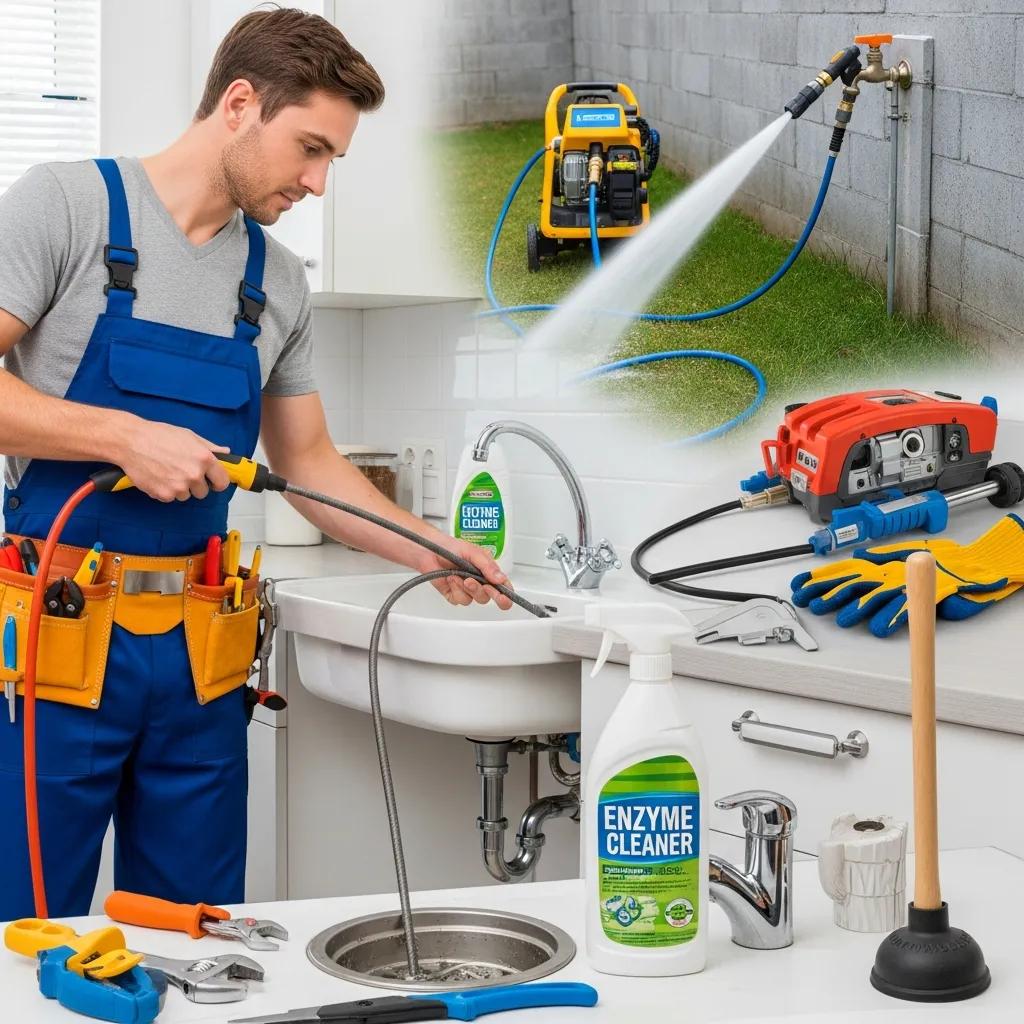
DIY options like a hand auger (drain snake), baking‑soda and vinegar, or enzyme cleaners are effective for early or partial clogs and are kinder to pipes than strong chemicals. A typical DIY routine: remove the strainer, run hot water, apply an enzyme cleaner overnight, then use a plunger or hand auger if needed. For heavy grease, root intrusion or repeat blockages, professionals use hydrojetting to scour pipe walls and CCTV inspection to find defects. Avoid repeated use of caustic chemicals on older pipes — mechanical or biological methods are preferred where possible.
| Method | Characteristic | When to use |
|---|---|---|
| Hot water flush & strainer cleaning | Low cost, safe | Preventative and early clogs |
| Enzyme cleaners | Biological breakdown of organics | Monthly maintenance |
| Drain snake / hand auger | Mechanical removal | Localised clogs in accessible drains |
| Hydrojetting | High‑pressure scouring | Stubborn grease or scale |
| CCTV inspection | Visual diagnosis | Recurrent clogs or unknown origins |
Use DIY methods first for light blockages and call in hydrojetting or CCTV inspection for persistent or complex problems.
For repeat blocked drains and commercial grease‑trap work, J.O. Plumbing Australia Pty Ltd offers blocked‑drain clearing and CCTV drainage inspection, with technicians experienced in Melbourne‑area pipe conditions.
How do you maintain water heaters to extend their life?
Water‑heater maintenance improves efficiency, cuts failure risk and reduces safety hazards. Key tasks include flushing tanks to remove sediment, checking and replacing anode rods to limit corrosion, and setting thermostat temperatures to balance safety and energy use. Sediment in tank heaters reduces heat transfer, making units work harder and stressing elements — regular flushing fixes that. Tankless units need descaling and inlet checks, especially in hard‑water areas. Knowing the different needs for storage and tankless systems helps you plan DIY checks and when to get professional service.
- Tank water heater: annual flush; check anode rod every 3–5 years
- Tankless water heater: descale annually or every 6–12 months depending on water hardness
- Temperature & safety: set thermostats to reduce Legionella risk while preventing scalding
How do flushing and anode‑rod replacement help?
Flushing a tank removes settled sediment that insulates heating elements, restoring efficient heat transfer and lowering running costs. The sacrificial anode rod (magnesium or aluminium) corrodes first to protect the steel tank — checking and replacing it when worn stops internal corrosion and premature tank failure. Regular flushing and anode checks extend service life and keep heat‑up times consistent. If you’re unsure about safely replacing an anode or flushing a tank, a professional hot‑water service will follow the correct steps and keep warranties and safety requirements intact.
| Water heater type | Maintenance action | Recommended interval |
|---|---|---|
| Tank (storage) | Drain/flush sediment; inspect anode rod | Annual flush; anode check every 3–5 years |
| Tankless | Descale heat exchanger; clean inlet filters | Annually or as water hardness dictates |
| Electric element systems | Inspect elements; replace degraded parts | Annual inspection |
This table gives practical intervals by heater type so you can plan DIY tasks and pro servicing as needed. Next we cover thermostat settings for performance and safety.
What temperature settings balance safety and performance?
Thermostat settings are a balance between energy use, scald risk and bacterial control (Legionella). A common safe range is 50–60°C. Lower temperatures reduce scalding and save energy but can raise Legionella risk in rarely used systems; higher storage temperatures help sanitise but need anti‑scald protection at taps. Installing thermostatic mixing valves or anti‑scald devices at outlets lets you keep storage temperatures higher while delivering safe, mixed water at taps. Check thermostat settings seasonally and include them in your annual maintenance routine to keep performance stable.
For more involved hot‑water work — anode replacement, tank flushing or tankless descaling — J.O. Plumbing Australia Pty Ltd lists hot water service as a specialty and offers same‑day options with satisfaction guarantees. Professional servicing ensures safe handling of pressure relief valves and correct descaling to protect heat exchangers.
How do you detect and prevent plumbing leaks?
Finding leaks combines observation, simple tests and regular hardware checks to avoid hidden damage and high bills. Visible signs — damp patches, peeling paint, mould or warm spots on floors — point to leaks, but concealed leaks need meter monitoring and targeted tests. Preventive steps include exercising shut‑off valves, replacing old flexible appliance hoses and insulating pipes in vulnerable areas. A routine of meter checks and visual inspections helps spot oddities early and prompts timely repairs.
What are signs of hidden leaks and how do you monitor water use?
Hidden leaks often show as gradual changes: an unexplained jump in the water bill, the meter moving when all fixtures are off, persistent damp patches or mould under floors or inside walls. A simple meter test — note the reading, make sure no water is used for 30–60 minutes, then recheck — will indicate a leak. For toilets, put a few drops of food dye into the cistern and check the bowl after 10–15 minutes for colour transfer. Smart leak detectors and alarms give continuous monitoring and can alert you to sudden flows, helping you find leaks faster than manual checks alone.
How do shut‑off valves and regular checks limit damage?
Knowing where the main shut‑off and appliance isolation valves are and how to operate them lets you isolate problems quickly and limit damage. Exercise valves quarterly — turn them fully off and on — and replace ones that won’t close or show corrosion. If you find a leak, shut the relevant valve, document the issue with photos and, if there’s water near electrical gear, switch off power to that area. Replacing aged flexible supply hoses on dishwashers and washing machines before they fail and scheduling valve replacements when corrosion appears are simple steps that reduce emergency situations.
- Signs of hidden leaks: continuous meter movement, damp patches, musty odours and unexplained bill increases.
- Monitoring steps: meter test, dye test for cisterns, visual checks under appliances.
Those simple checks are vital for early detection and lead into seasonal protections like winterisation.
How should you protect pipes during Melbourne winters?
Winter protection stops freeze‑related damage, especially on exposed outdoor lines and pipes in unheated spaces. Insulation, controlled heating and isolating external fixtures are the main strategies. In Melbourne’s cooler months, wrap exposed copper or PVC with foam insulation, secure lagging around bends and keep low‑level heating in seldom‑used areas to reduce freezing risk. If a property will be empty, drain external lines and isolate supplies so leftover water can’t freeze and expand. Prioritise external taps, garden lines and exposed underfloor runs to lower the chance of burst pipes and costly repairs.
- Insulate exposed pipes: Fit foam sleeves to outdoor and uninsulated interior runs.
- Isolate and drain external taps: Close valves feeding outside outlets and drain the lines.
- Maintain low heat or circulation: Keep minimal heating or a trickle flow in low‑use areas.
These immediate steps reduce freeze risk and lead into guidance on suitable insulation materials and application.
How does pipe insulation prevent freezing and bursts?
Insulation slows heat loss from the water in pipes, raising the temperature at which freezing can occur and preventing the expansion that causes bursts. Closed‑cell foam sleeves, rubberised lagging and flexible wraps are easy for DIY use on accessible runs and resist moisture. Focus on exposed exterior walls, unheated crawl spaces and garage plumbing, and extend insulation past fittings and joints where heat loss is greatest. For large or hard‑to‑reach jobs, a professional can recommend the correct material and ensure complete coverage to prevent repeat issues.
Which outdoor fixtures need special winter care?
Garden taps, pool fill lines and external showers are particularly vulnerable to frost. Winterise them by turning off internal isolation valves, opening taps to drain remaining water and fitting insulated tap covers. For pools and irrigation systems, follow the manufacturer’s winter shutdown steps — drain low spots and protect pumps and filters from frost. Book a post‑winter inspection to check for any spring leaks and repair frost damage before the busy season starts.
- Winterisation summary: drain external lines, insulate exposed fittings and schedule a spring inspection to catch hidden damage.
These measures protect your plumbing through cooler months and make sure systems run reliably when temperatures rise.
What commercial plumbing schedules help maintain compliance and efficiency?
Commercial sites need organised maintenance to meet regulations, keep operations running and avoid interruptions. Key systems include high‑use fixtures, grease traps and backflow prevention devices. A documented programme that assigns responsibility, logs cleaning and testing dates and sets intervals by usage helps demonstrate compliance to local authorities. Grease‑trap management is essential for food businesses, and backflow devices usually require certified annual testing and record‑keeping. A proactive plan lowers operational risk and makes servicing costs predictable.
Starter commercial checklist:
- Daily: Front‑of‑house checks and strainers cleared
- Weekly: Inspect grease‑trap levels and log residues
- Monthly/Quarterly: Mechanical inspections; schedule professional cleaning as needed
- Annual: Backflow device testing and certified reporting
How should businesses manage grease traps?
Grease‑trap care combines good onsite practices with scheduled professional cleaning to protect sewers and meet regulations. Best practice includes intercepting grease at the source with strainers, training staff to reduce grease entering drains and keeping daily logs of trap levels and cleaning. High‑volume kitchens typically need professional cleaning monthly or more often; cafés and low‑volume sites may be on a 1–3 month cycle. Keep clean‑out records and disposal manifests for inspections — they reduce the risk of fines and sewer blockages.
| Business type | Recommended cleaning interval | Compliance note |
|---|---|---|
| High‑volume commercial kitchen | Monthly or more often | Keep manifests for regulators |
| Café / low‑volume kitchen | Every 1–3 months | Monitor trap levels weekly |
| Catering / intermittent use | Post‑event clean and monthly | Log each service date |
The table offers a starting point for setting grease‑trap intervals and underlines the need for good record‑keeping. Next is backflow testing.
What are backflow prevention requirements and testing steps?
Backflow devices protect drinking water from contamination and usually need annual testing by certified testers, with test reports kept for regulators. A backflow test checks the device’s internal valves under changing pressure to confirm correct operation; failed tests need prompt repair or replacement. Businesses should schedule regular tests, use certified testers and file certificates per local rules. Accurate records make audits easier and show due diligence in protecting water quality.
For businesses needing grease‑trap cleaning, backflow testing or a full maintenance schedule, J.O. Plumbing Australia Pty Ltd provides commercial plumbing services including grease‑trap management, backflow testing and CCTV inspections. Their local technicians know Melbourne’s regulatory expectations and can offer same‑day response for urgent work. For after‑hours emergencies, J.O. Plumbing also offers 24/7 emergency plumbing and can be contacted for immediate help.
Frequently Asked Questions
What are the benefits of regular plumbing maintenance for businesses?
Regular plumbing maintenance reduces emergency repairs, helps meet local regulations and keeps operations running smoothly. Routine inspections catch issues early, lowering downtime and repair costs, and improving water efficiency can cut utility bills. Being proactive also creates a safer environment for staff and customers by reducing the chance of leaks and water damage that could disrupt business.
How can homeowners choose the right plumber for their needs?
Choose a plumber who is licensed and insured, with good local reviews and a solid reputation. Ask friends or neighbours for recommendations and check online ratings. Get multiple quotes to compare scope and price, and confirm the plumber has experience with the specific work you need — for example, drain clearing or hot‑water servicing.
What should I do if I suspect a plumbing emergency?
If you suspect an emergency, locate and turn off the main water shut‑off valve to limit damage. Assess the situation — if there is flooding or major water damage, call a professional right away. For minor leaks, contain the water with towels or buckets while help is on the way. Take photos for insurance, and avoid using electrical appliances near the affected area.
How often should commercial plumbing systems be inspected?
Inspect commercial plumbing at least annually, but frequency depends on business type and usage. High‑traffic sites like restaurants may need quarterly checks to stay compliant and manage grease traps. Regular inspections spot wear and tear, prevent expensive breakdowns and keep systems efficient. Maintain a detailed log to help with scheduling and regulatory compliance.
What are signs that a water heater needs maintenance?
Signs include inconsistent water temperature, strange noises (popping or rumbling), visible leaks around the unit, reduced hot‑water supply or rising energy bills. Regular maintenance — flushing the tank and checking the anode rod — extends a heater’s life and efficiency. If problems continue, call a professional for a full inspection.
How can I prevent frozen pipes during winter?
Insulate exposed pipes, especially in unheated spaces like basements and attics, using foam insulation or heat tape where appropriate. During extreme cold, leave a small trickle of water running through vulnerable taps to prevent freezing. For properties left vacant, drain and shut off external water supplies. Keep thermostat settings adequate to maintain safe indoor temperatures for plumbing.
What are best practices for maintaining outdoor plumbing fixtures?
Before winter, drain and insulate garden taps and hoses to prevent freezing. Check regularly for leaks and corrosion and replace damaged parts promptly. During the season, inspect irrigation systems for clogs and ensure they run efficiently. Use insulated covers for outdoor faucets in cold weather. Regular maintenance extends the life of outdoor plumbing and avoids costly repairs.